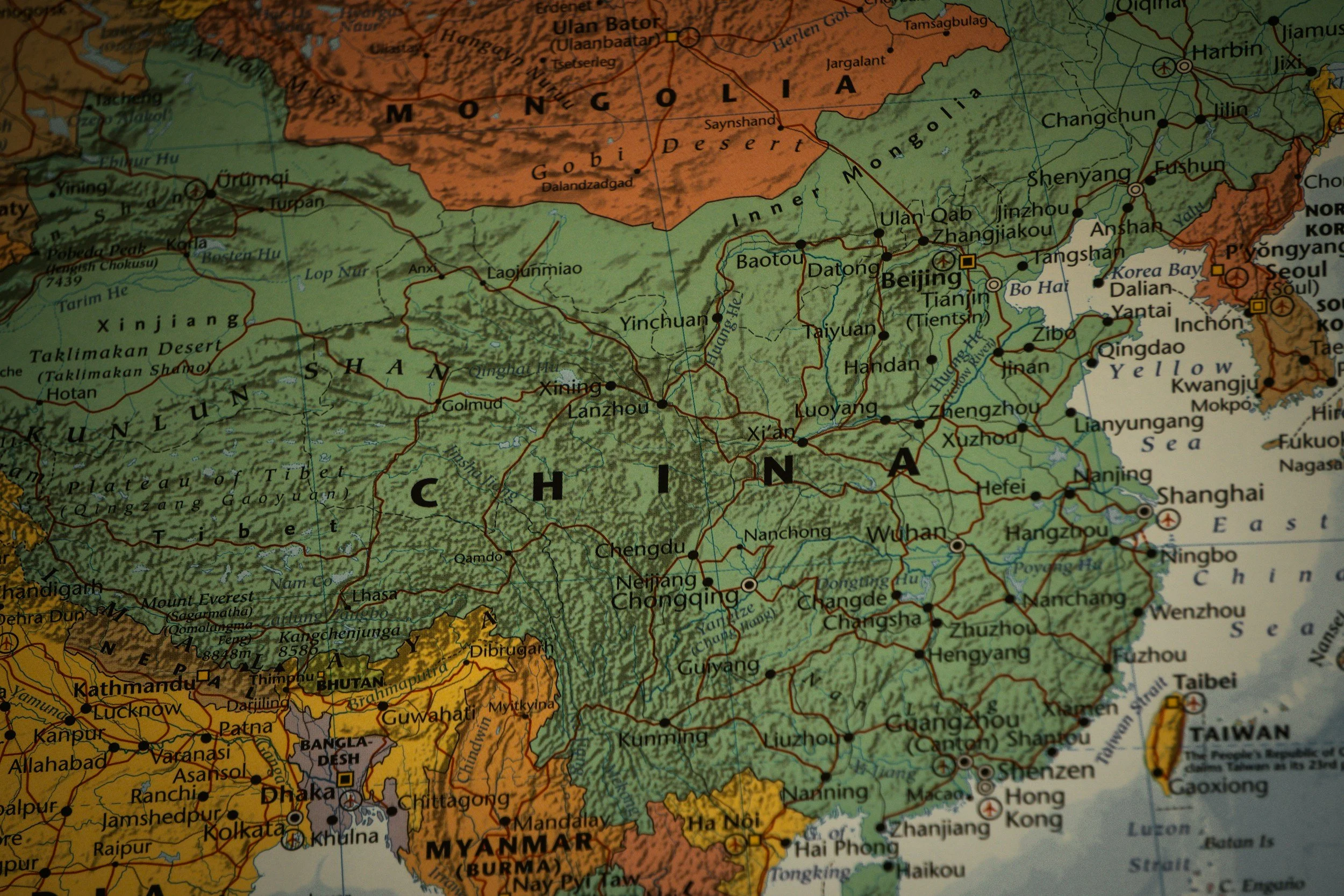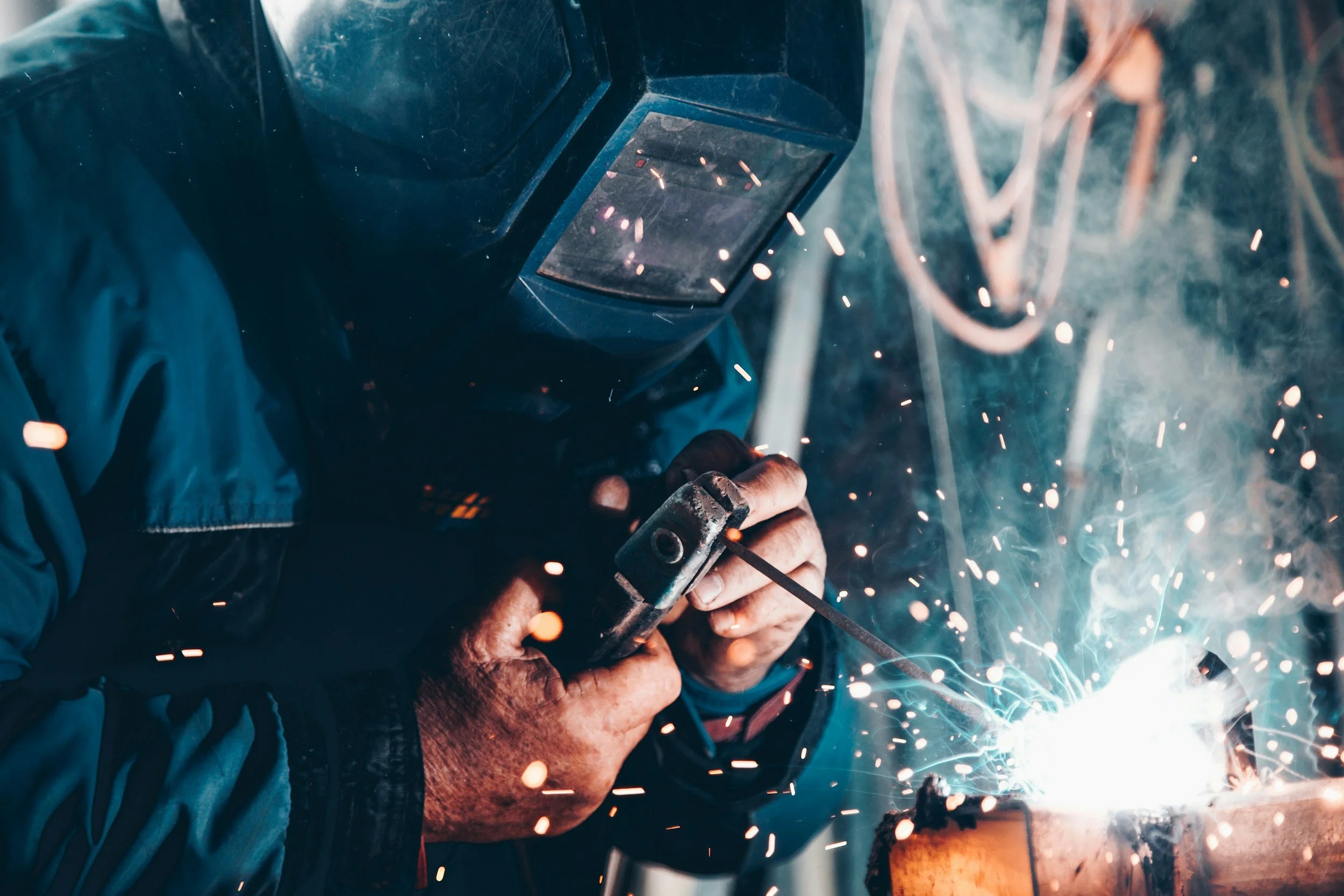
America needs welders as much as warriors to rebuild its Arsenal of Democracy, which has atrophied under decades of strategic malpractice. Years of bipartisan budgetary negligence have hollowed out the skilled workforce, creating a deficit that money alone cannot fix. Unless Washington can close that gap, its ability to deter China’s global ambitions could be jeopardized. The scale of the challenge casts doubt on President Donald Trump’s vows to rebuild American manufacturing. He has not explained how he will solve the main problem: a critical shortage of engineers, technicians, welders, electricians, and other skilled workers needed to get the job done. The United States spent decades after World War II building a defense industrial base and developing a skilled workforce. Master tradespeople built the ships, tanks, tools, weapons, and missiles that sustained America as the core of democracy in a hostile world.
Read More